
Prepare a brief
Use these practical notes to prepare the details that make the next conversation useful.
Show the camera and movement
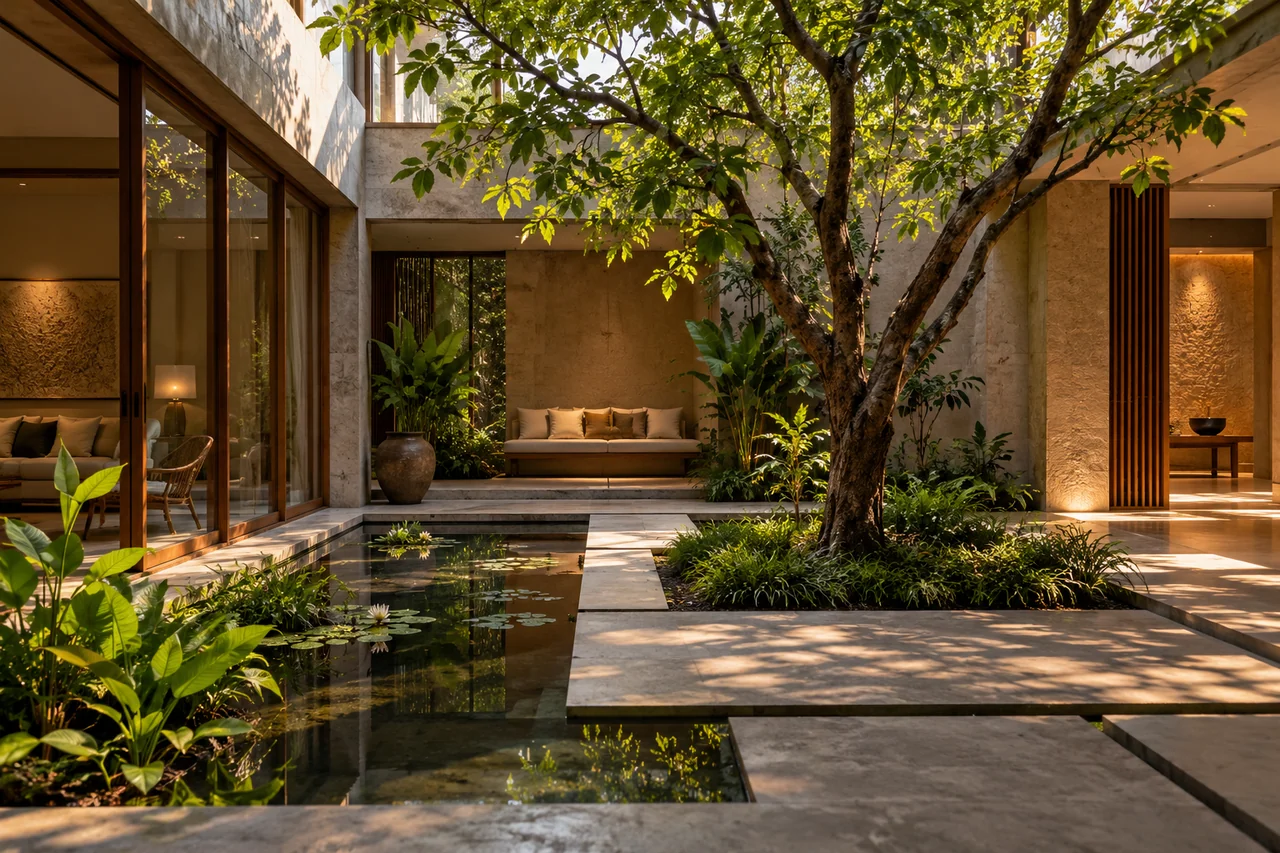
Include the camera perspective, player scale and movement rules in the brief. A space designed around a slow first-person walk differs from one built for fast traversal or an overhead view. Provide a stable reference build where appropriate.
Where possible, provide the same camera and movement settings that reviewers will use. A change in those assumptions can alter the meaning of a spatial observation.
Separate references by purpose
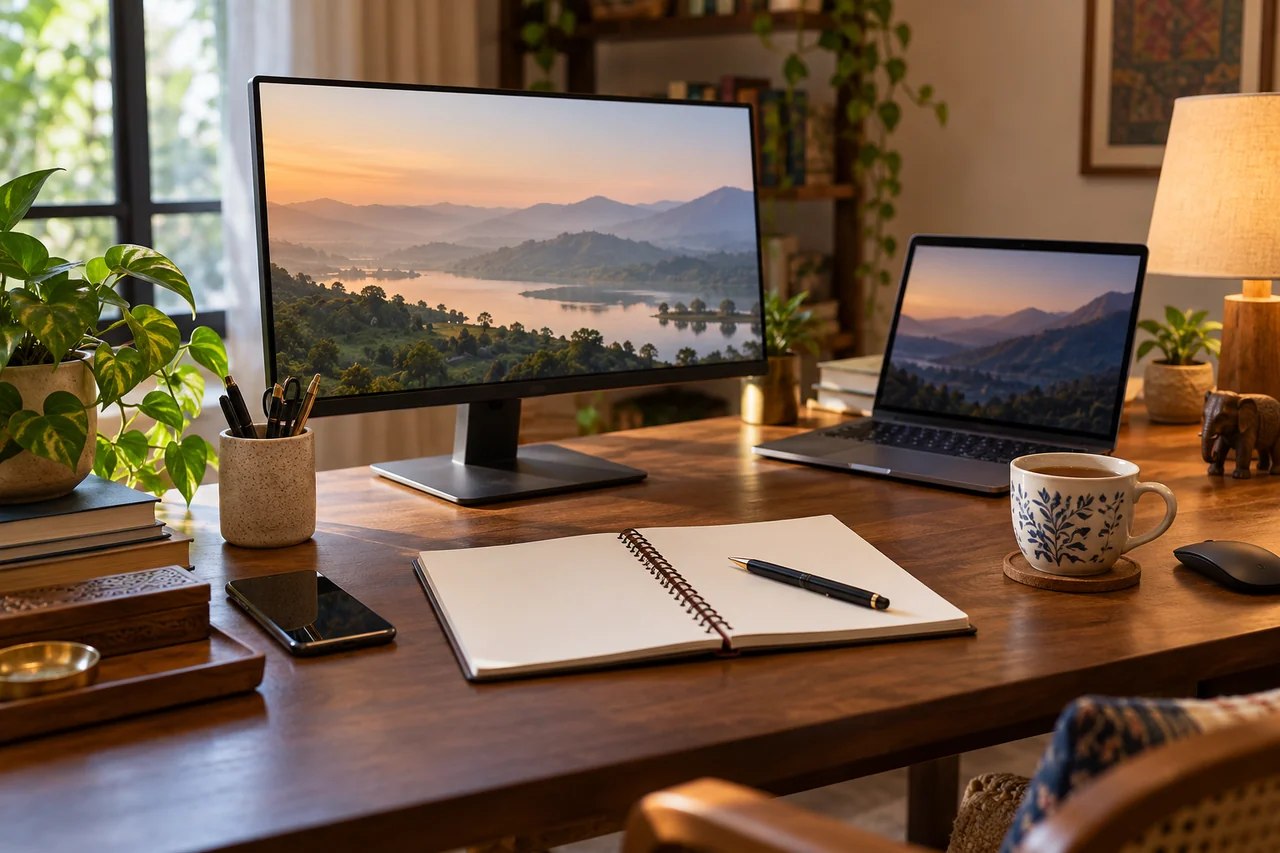
Mark whether a reference concerns lighting, materials, composition or a gameplay route. Check the rights to any assets supplied for use. A reference can explain an intention without authorising reproduction of another team's work.
Keep a short note explaining the intended role of each reference. Identify any feature that should inform the discussion without becoming a direct reproduction requirement.
List technical constraints
State the target engine and version, platform, dependency restrictions and relevant performance expectations. Identify who will integrate and review the delivery. Avoid treating an attractive isolated scene as proof that it fits the production build.
List constraints that are already confirmed separately from preferences that remain open. This helps identify which design choices can be explored and which need explicit approval.
Agree how a decision is reviewed
Choose useful review views and playable checks for each stage. Keep spatial, visual and technical notes distinct enough to act on. Consolidated feedback helps explain priorities when different reviewers need different things from the same location.
A consolidated review can still preserve different perspectives. State the priority and the reason behind a requested change so the next iteration can respond to the real issue.
Describe the space your game needs
Describe the game and the purpose of the map or location.