
Studio thinking
Navakora develops commissioned maps, levels and narrative locations for independent game teams.
A spatial design practice
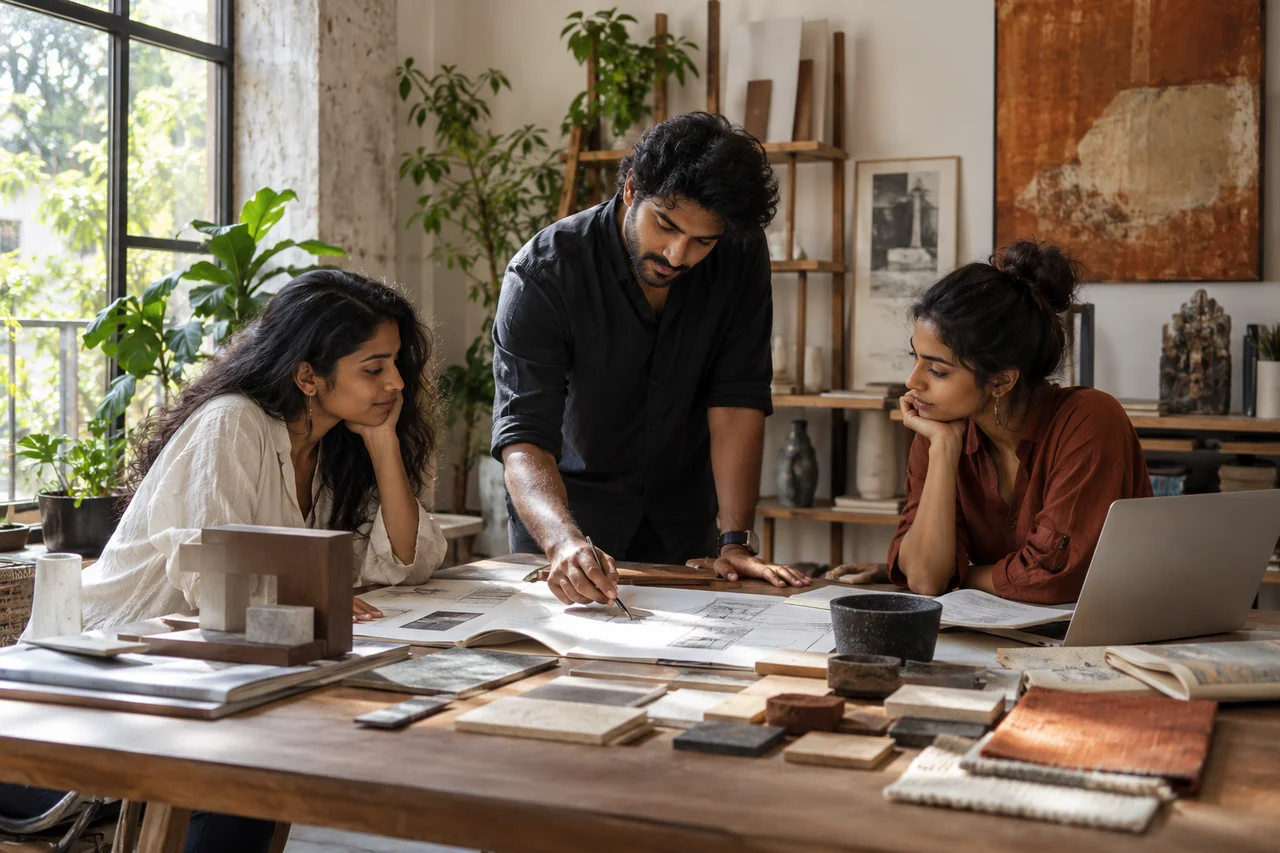
Navakora approaches world-building as a relationship between player action and place. A striking view matters, but so does the route leading to it and the decision made after it. The design conversation connects those moments instead of separating gameplay and atmosphere into unrelated tasks.
The environment's role should remain visible as the work develops. A decision about light or materials can then be discussed in relation to the player's attention and action.
A useful prototype asks a question
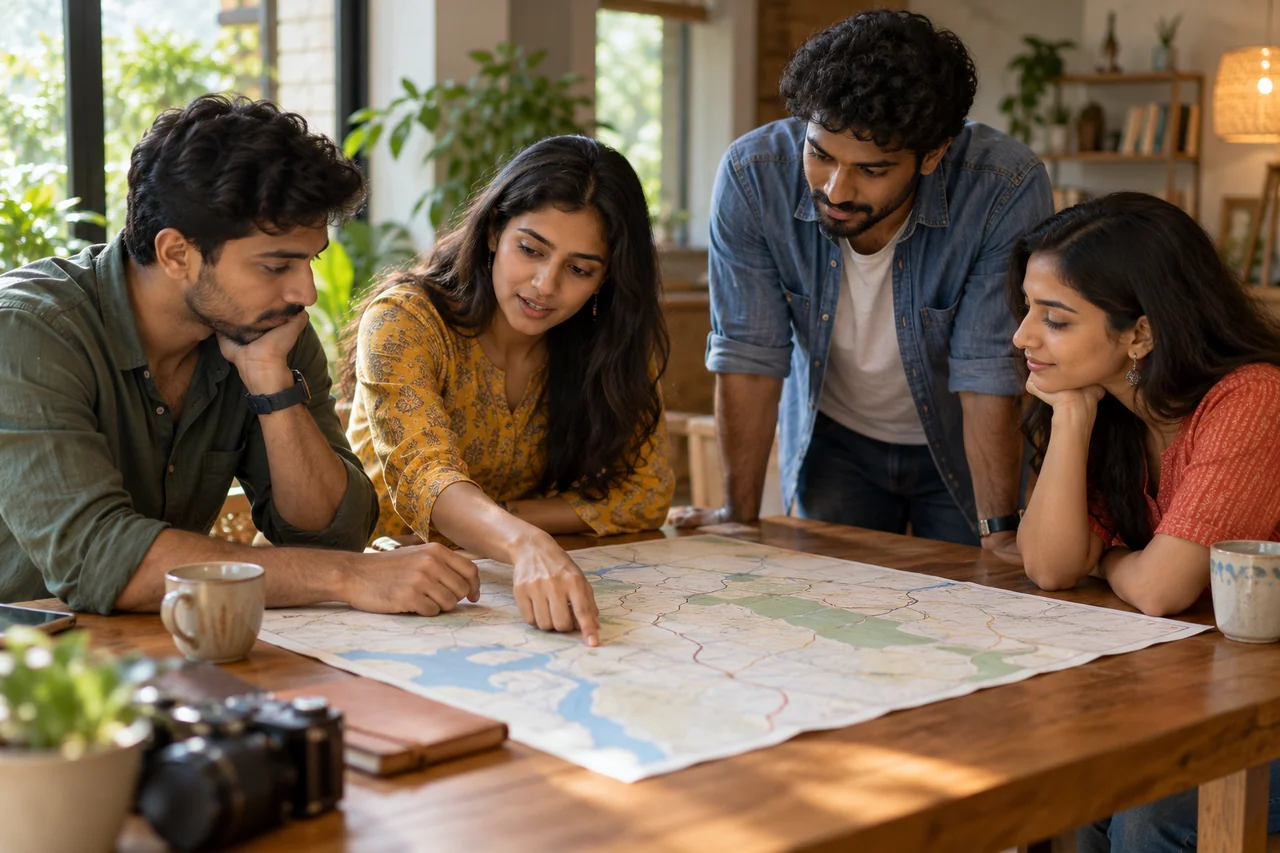
Early work is most valuable when it makes an uncertainty testable. A blockout might test a jump distance, the visibility of a landmark or the route to an objective. The result should guide a decision, not merely provide a smaller version of a final scene.
A useful review records the uncertainty before the test. That makes it easier to recognise whether the prototype supplied an answer or exposed a different question.
Commissioned work needs a shared boundary
Independent teams have different pipelines and capacities. The approach begins with the actual production environment and receiving roles. That makes the discussion about deliverables, ownership and integration concrete without implying that every project needs the same engine or asset workflow.
Clear boundaries protect collaboration from hidden assumptions. Each team can understand what is supplied, what needs integration and which decisions remain with the game's own development process.
Describe the space your game needs
Describe the game and the purpose of the map or location.